
OOP Scenario Questions for Senior Developers (With Practical Answers)



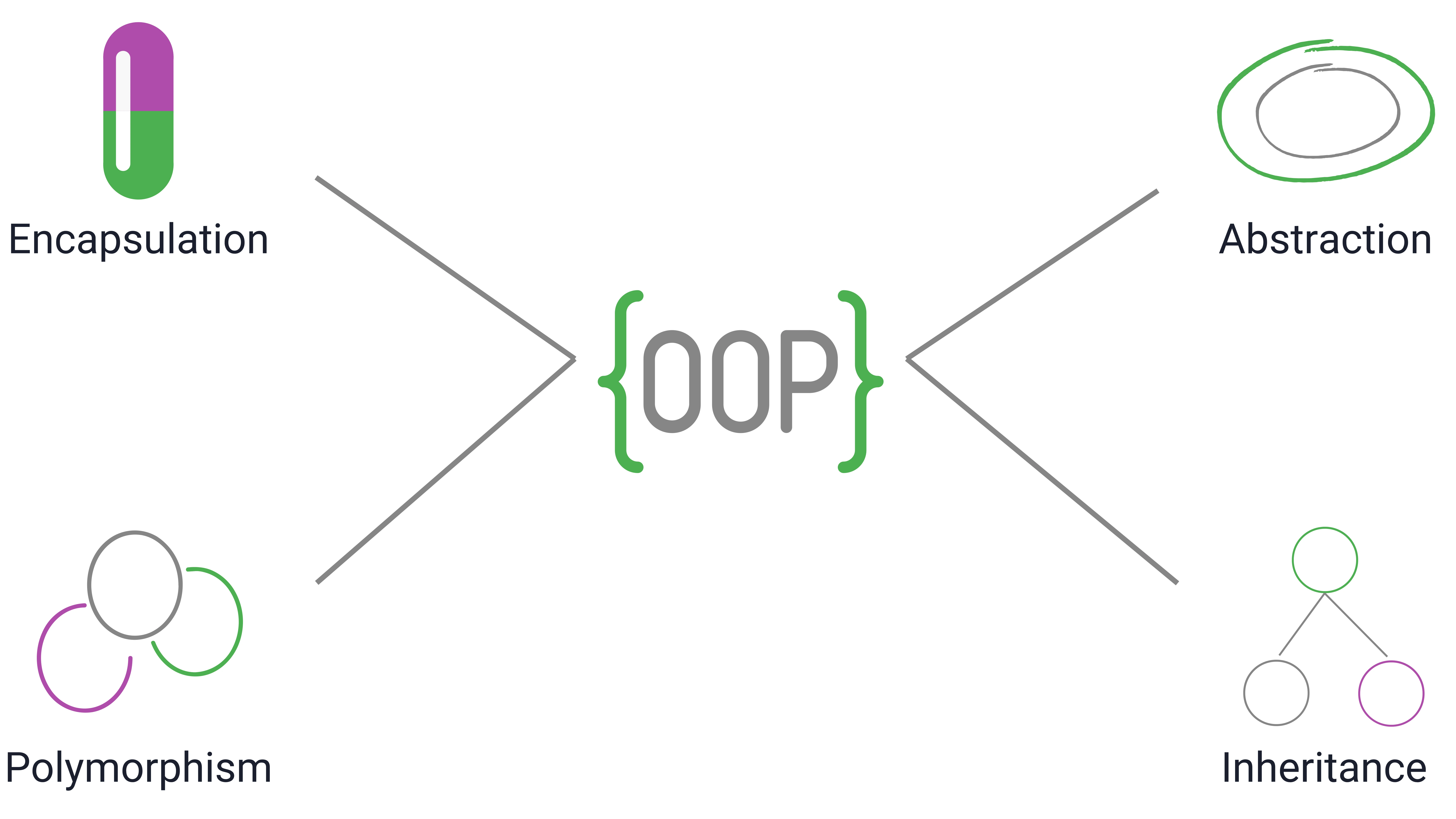
OOP Scenario Questions for Senior Developers
Senior developer interviews rarely focus only on syntax. Most companies now ask scenario-based Object-Oriented Programming (OOP) questions to evaluate architecture thinking, scalability, maintainability, and real-world problem-solving ability.
If you have several years of development experience, interviewers expect you to understand not just how OOP works, but why certain design decisions are better than others.
In this guide, we’ll cover practical OOP scenario questions commonly asked in senior developer interviews along with detailed explanations.
1. You Have a Large Class Doing Too Many Things. How Would You Refactor It?
This question tests your understanding of the Single Responsibility Principle (SRP).
A common mistake in real projects is creating “god classes” that handle multiple responsibilities such as validation, database operations, business logic, logging, and notifications all together.
Good Answer
I would split the large class into smaller focused classes where each class handles only one responsibility. For example:
- Validation service for input validation
- Repository for database operations
- Notification service for emails or alerts
- Business service for core logic
This improves maintainability, testing, and readability.
2. When Would You Use Composition Instead of Inheritance?
Senior developers are expected to understand why excessive inheritance can create tightly coupled systems.
Good Answer
I prefer composition when behavior needs to be flexible or reusable across unrelated classes. Inheritance creates strong coupling, while composition allows features to be injected dynamically.
For example, instead of creating multiple user classes for different logging behaviors, I would inject a logger service into the class.
3. A Feature Needs Multiple Payment Methods. How Would You Design It?
This scenario checks your understanding of interfaces and extensibility.
Good Answer
I would create a PaymentInterface defining methods like:
- pay()
- refund()
Then separate implementations would handle specific payment gateways such as:
- StripePayment
- PaypalPayment
- RazorpayPayment
This design follows the Open/Closed Principle because new payment methods can be added without modifying existing logic.
4. How Would You Reduce Tight Coupling Between Classes?
Tight coupling makes systems difficult to test and maintain.
Good Answer
I reduce coupling by:
- Using interfaces instead of concrete classes
- Applying dependency injection
- Separating concerns properly
- Avoiding static dependencies where possible
This makes components easier to replace, mock, and test independently.
5. How Would You Design a Notification System?
This is a very common senior-level OOP scenario question.
Good Answer
I would create a NotificationInterface and implement separate channels such as:
- EmailNotification
- SMSNotification
- PushNotification
The application should depend on abstractions instead of specific channels. This makes the system scalable and easy to extend.
6. How Would You Handle Changing Business Rules?
Business requirements change frequently, so systems should be flexible.
Good Answer
I would isolate business rules into dedicated services or strategy classes instead of scattering conditions throughout the application.
This reduces duplication and makes future updates easier.
7. How Would You Design a Role-Based Access System?
This question evaluates architecture and scalability thinking.
Good Answer
I would separate authentication from authorization and use roles and permissions stored in dedicated tables or services.
- Users can have multiple roles
- Roles contain permissions
- Middleware or policies handle access checks
This creates a scalable and maintainable permission system.
8. What Are Common OOP Design Mistakes You’ve Seen?
Good Answer
- Large classes with too many responsibilities
- Overusing inheritance
- Tight coupling between modules
- Ignoring interfaces and abstractions
- Mixing business logic with UI or database code
These issues usually make systems difficult to scale and maintain over time.
9. How Do You Make Code More Testable?
Good Answer
- Use dependency injection
- Keep methods small and focused
- Avoid static dependencies
- Depend on interfaces
- Separate business logic from framework code
Testable code improves confidence during deployments and refactoring.
10. How Would You Explain SOLID Principles in Real Projects?
Interviewers often want practical understanding instead of textbook definitions.
Good Answer
SOLID principles help create maintainable and scalable applications.
- Single Responsibility improves separation of concerns
- Open/Closed supports extensibility
- Liskov Substitution improves consistency
- Interface Segregation avoids unnecessary dependencies
- Dependency Inversion reduces coupling
In real projects, these principles help teams build cleaner architecture and reduce long-term technical debt.
Tips for Answering OOP Scenario Questions
- Focus on maintainability and scalability
- Explain trade-offs instead of memorized definitions
- Use real project examples whenever possible
- Discuss testing and flexibility
- Think about long-term code quality
Conclusion
Senior developer interviews are designed to evaluate how you think, not just what syntax you remember. Strong OOP design skills show that you can build scalable, maintainable, and production-ready systems.
The best way to prepare is to practice explaining architecture decisions clearly and using real-world examples from your experience.
📚 You Might Also Like
- → Best Google AdSense Alternative 2026 - Monetag Review for Publishers miscellaneous
- → Top Java Interview Questions for 6+ Years Experience (2026) java
- → How to Start Freelancing as a Web Developer in 2026 (Complete Beginner's Guide) miscellaneous
- → HTTP QUERY Method (RFC 10008) — The New HTTP Method Every Developer Should Know miscellaneous
- → MyLync - Best Free Linktree Alternative for Developers, Creators & Businesses miscellaneous